“What we are seeing is that justice indeed grinds slowly.”
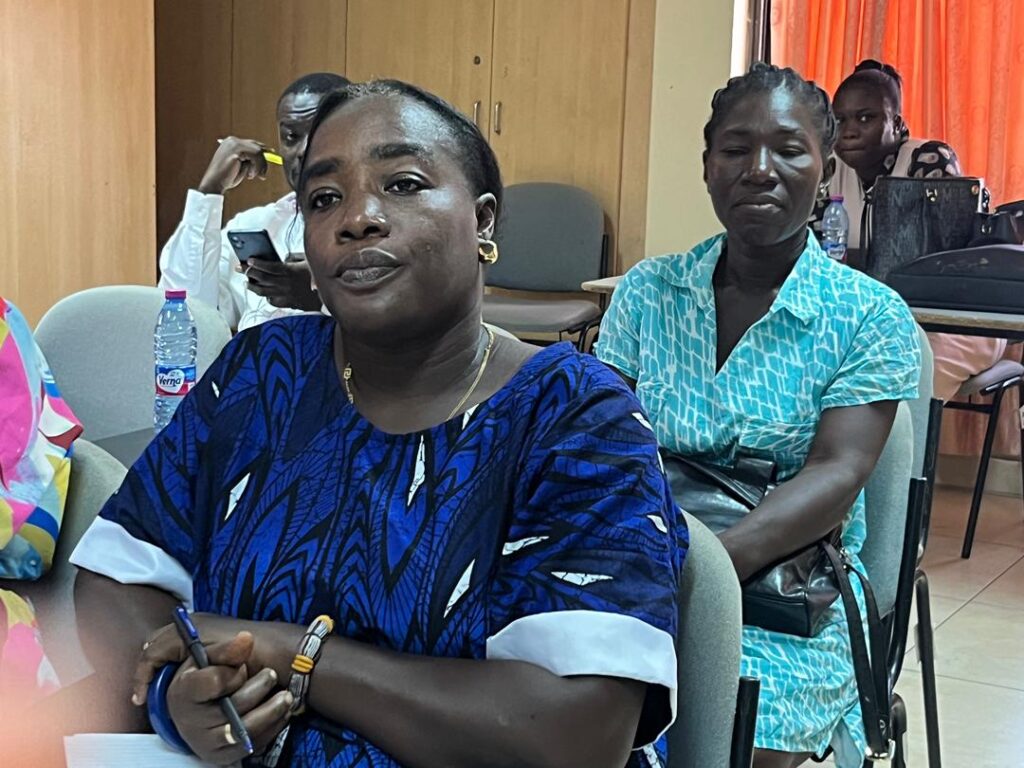
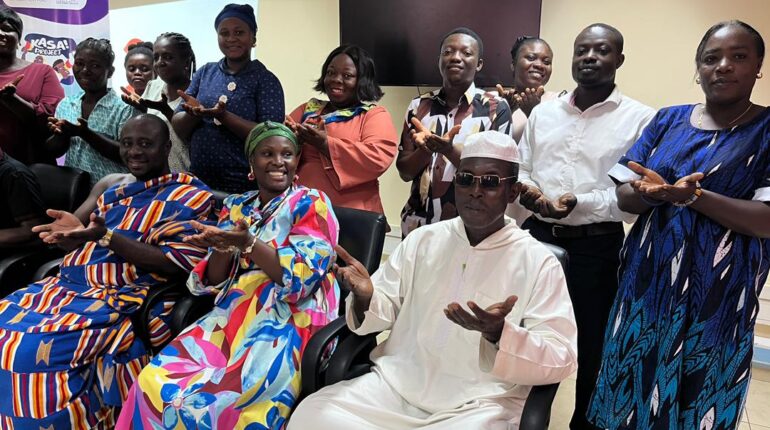
These words captured the mood at a recent stakeholder engagement organised by Human Rights and Development Services (HURDS), where findings from a six-month Court Watch Project on Sexual and Gender-Based Violence (SGBV) cases were presented.
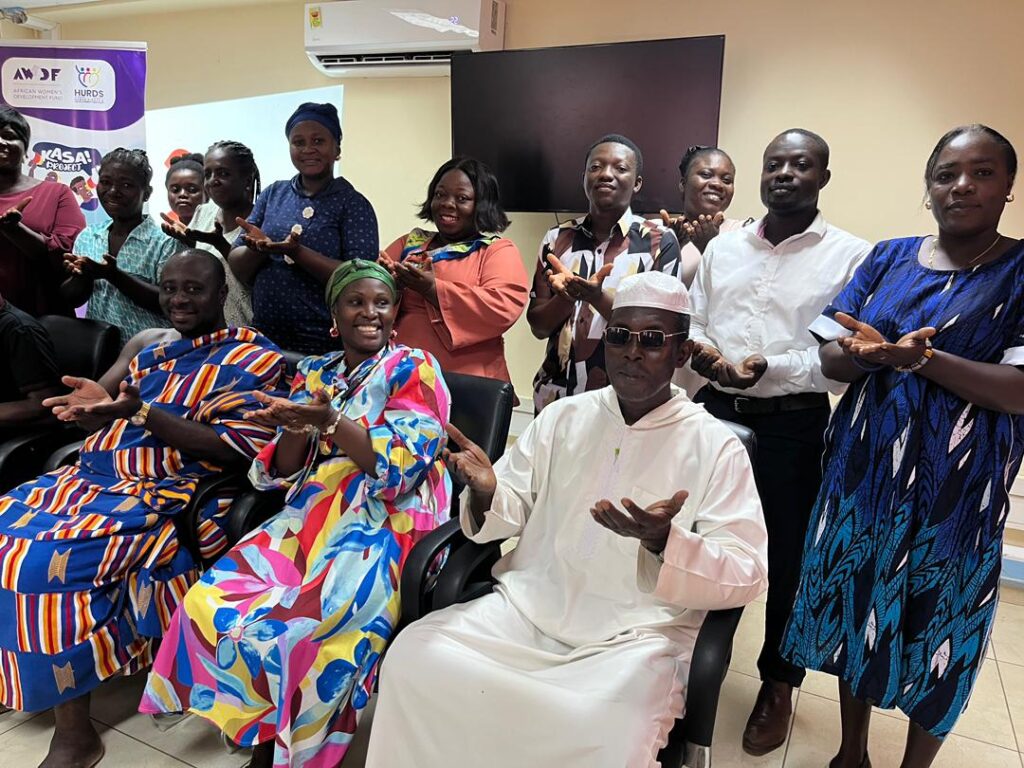
Supported by the African Women’s Development Fund (AWDF) under the KASA! Project, the initiative monitored court proceedings and engaged key actors within the justice system to assess how Ghana’s Domestic Violence Act is being implemented in practice.
A System Under Strain
Discussions at the meeting revealed a justice system grappling with multiple challenges.
Stakeholders, including prosecutors, investigators, and social welfare officers, highlighted delays in investigations, difficulties in gathering evidence, and overwhelming caseloads. In some instances, cases stall simply because key actors lawyers or investigators are unavailable.
Beyond these operational setbacks, deeper systemic concerns emerged. Participants pointed to outdated legal frameworks, limited investigative capacity, and weak coordination between institutions such as the police and the judiciary.
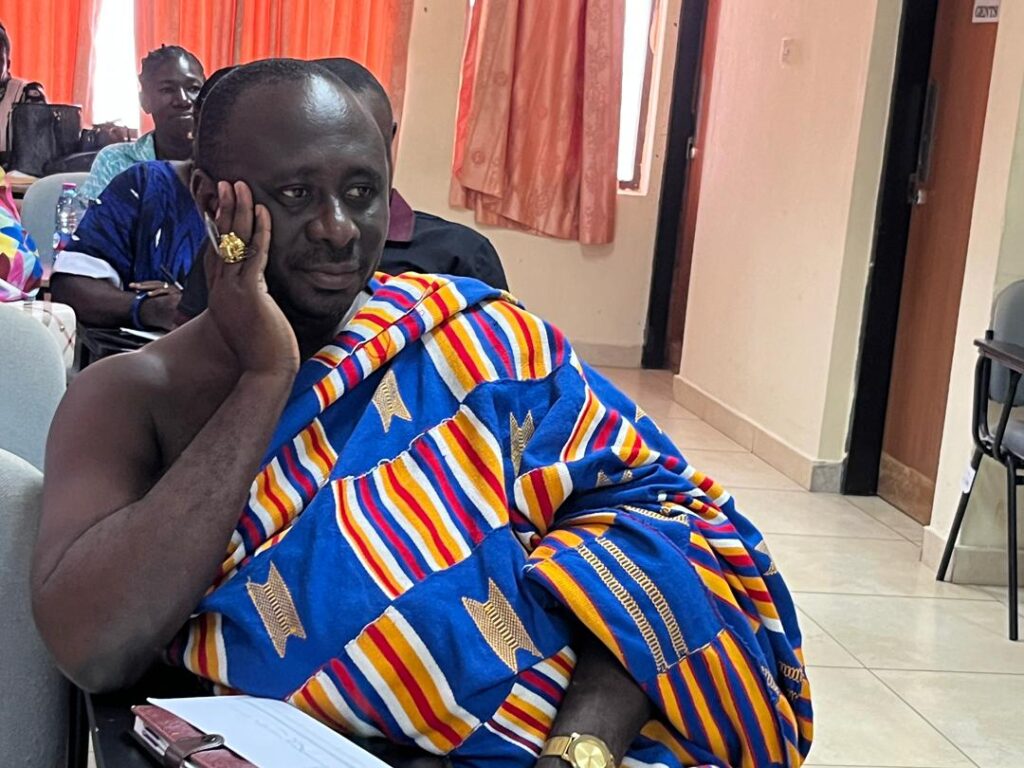
More troubling were allegations of misconduct. Some stakeholders accused certain prosecutors of failing to act with urgency, delaying the filing of disclosures, and, in extreme cases, encouraging victims to settle matters privately. Such practices, they warned, risk undermining justice and discouraging survivors from pursuing their cases.
A social welfare officer raised serious concerns about confidentiality breaches, alleging that contact details of officers are sometimes shared with accused persons, putting professionals at risk.
Calls for Accountability and Reform
In response, stakeholders made strong recommendations for reform.
They called on the Presidency, through the Judicial Service, to introduce strict timelines for handling sexual abuse cases particularly those involving children to ensure accountability and efficiency in prosecutions.
Madam Efua Yankson, a Principal Investigative Officer at CHRAJ, described alleged prosecutorial misconduct as administrative injustice punishable by law, emphasizing the need for stricter oversight.
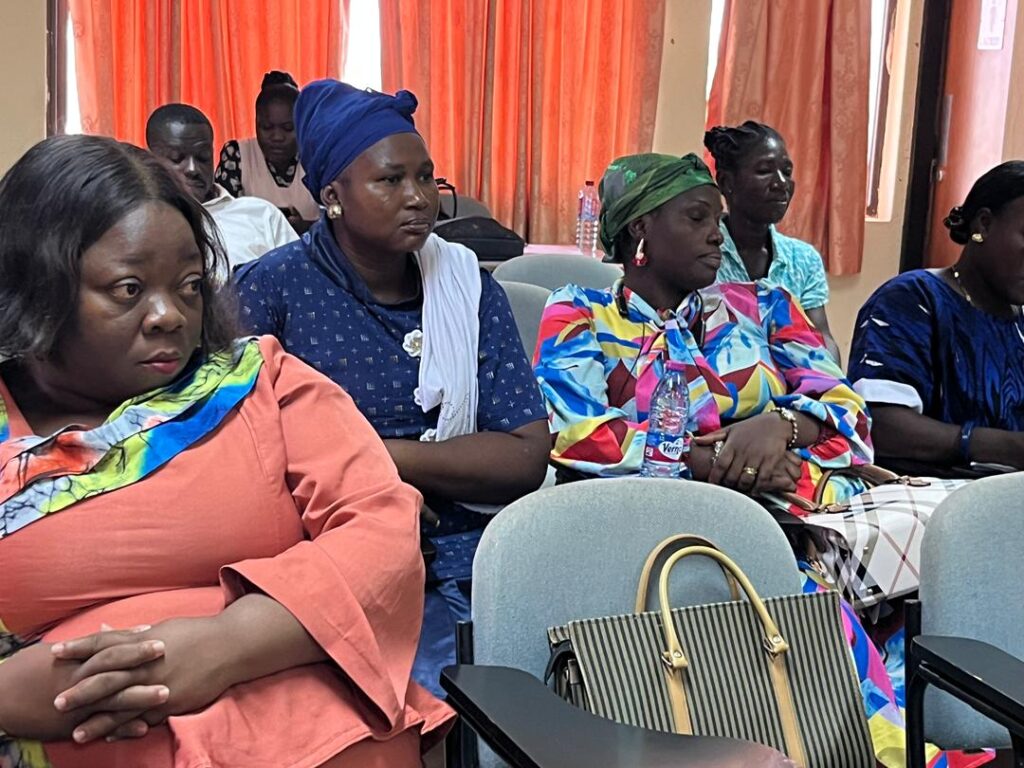
An officer from the Office of the Regional Chief Imam also stressed the urgency of protecting children, describing them as the future of the nation and calling for collective action to safeguard their wellbeing.
Progress and Hope
Despite the challenges, the engagement also highlighted meaningful progress.
According to HURDS Executive Director, Madam Eva Ankrah, the project has strengthened referral pathways for survivors of sexual violence through the training of 30 community-based volunteers across selected communities in the Western Region.
She also revealed increased awareness and access to the Domestic Violence Fund, operational through the Orange Support Centre under the Ministry of Gender, Children and Social Protection.
“All you have to do is call the 0800111222 toll-free number, and you will be assisted,” she noted.
Court monitoring conducted during the project period further revealed that at least 11 SGBV cases remain unresolved due to prosecutorial inaction underscoring the urgent need for reforms.
The Way Forward
While the findings paint a sobering picture, they also reinforce the importance of sustained advocacy and collaboration.
By bringing together justice sector actors, civil society, and community stakeholders, HURDS continues to create a platform for accountability, dialogue, and reform.
At its core, the message is clear: justice for survivors of sexual and gender-based violence must not only be pursued it must be timely, fair, and unwavering.