Across communities a quiet but powerful shift is taking place. Community members are stepping forward not as bystanders, but as protectors, advocates, and first-line supporters in the fight against Sexual and Gender-Based Violence.
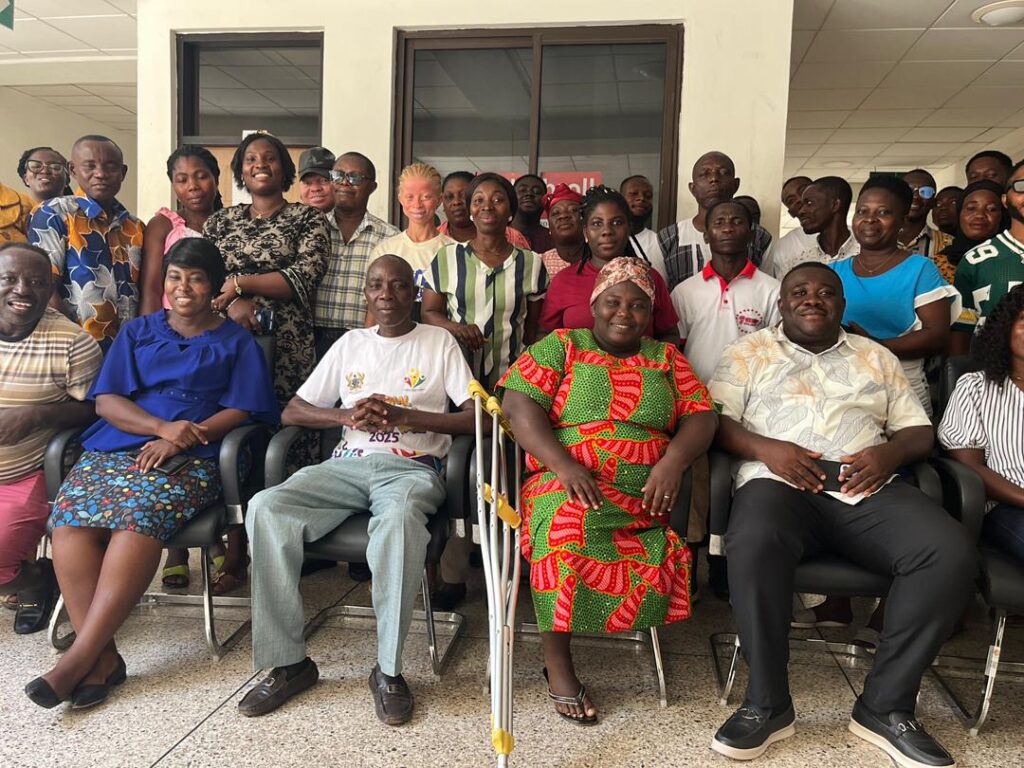
Fifty individuals from ten communities gathered with a shared commitment: to strengthen how their communities prevent and respond to violence. The training formed part of HURDS’ ongoing work to build sustainable, community-led systems that protect survivors and promote accountability.
The participants were organised into two complementary community structures District Volunteers Against Sexual Violence and members of the Community Support System for Survivors. Together, they now form a coordinated grassroots network designed to ensure that survivors are heard, supported with dignity, and connected to appropriate services without delay.
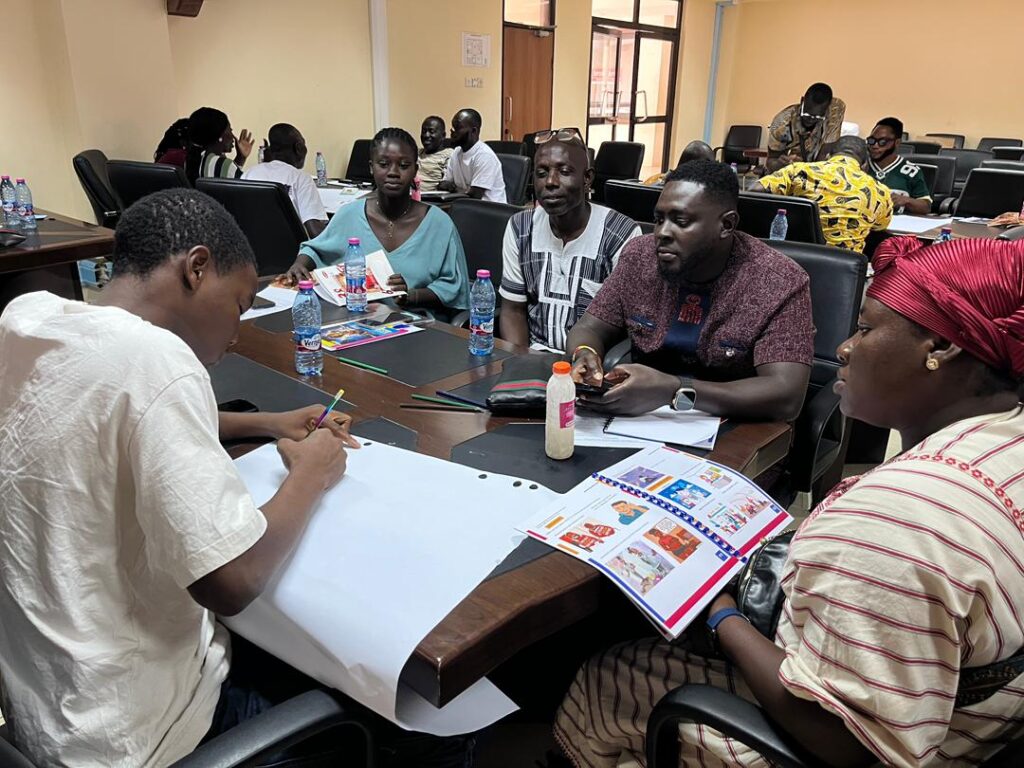
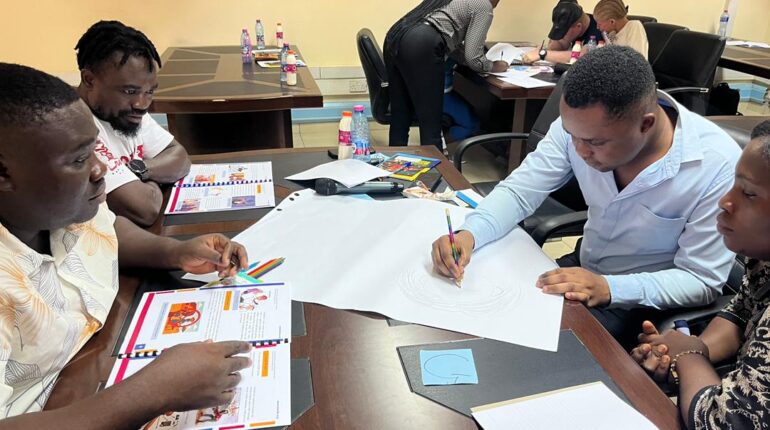
The conversations went beyond theory, participants examined what child protection truly means in practice, reflecting on Ghana’s legal framework and the responsibilities communities carry in safeguarding children and vulnerable individuals. They unpacked the difference between biological sex and socially constructed gender roles, exploring how harmful norms and unequal power relations can create conditions where abuse thrives.
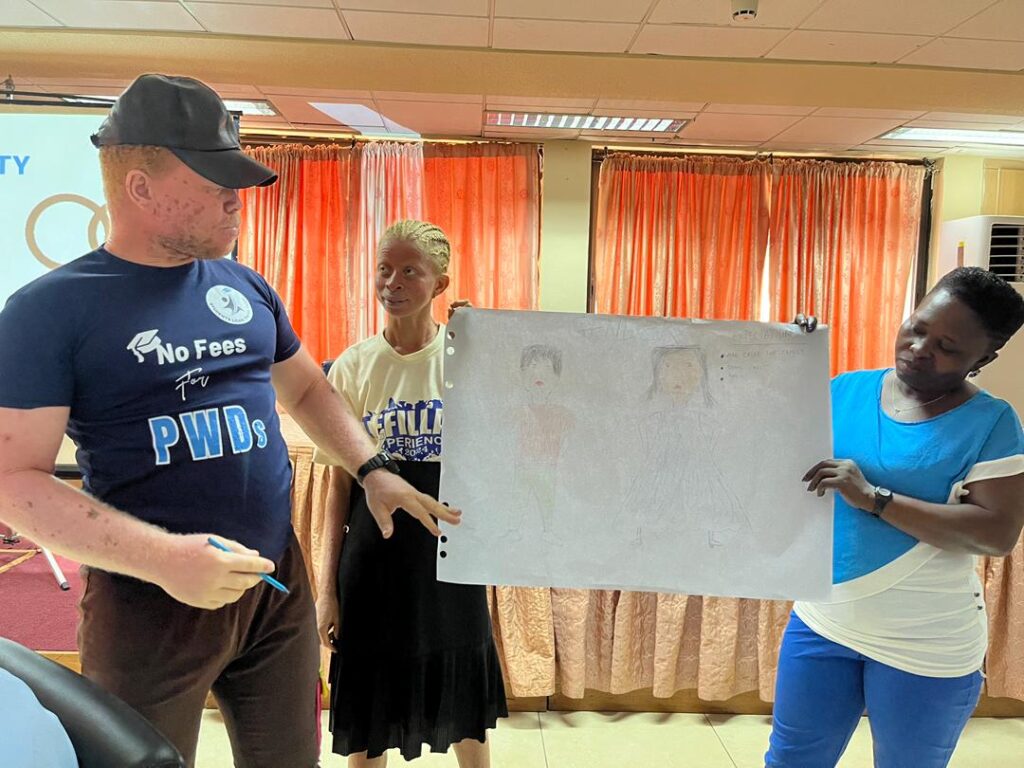
Interactive discussions challenged long-held beliefs. Participants debated common assumptions about gender, marriage, and silence around abuse. In many moments, perspectives shifted. Volunteers began to see more clearly how everyday attitudes can either reinforce violence or interrupt it.
The training also focused on practical action. Participants strengthened their understanding of referral pathways and the importance of working collaboratively with state institutions, health facilities, and protection agencies. They discussed survivor-centred approaches confidentiality, empathy, non-judgment, and timely response recognising that the first reaction to a survivor can shape their entire journey toward healing and justice.
Sexual and Gender-Based Violence remains a serious human rights and public health concern. Its impact is felt not only by individuals, but by families and entire communities. Addressing it requires more than laws; it requires informed, confident community members who are willing to stand up, speak out, and act responsibly.
By investing in local volunteers and community support systems, HURDS is strengthening the foundation for long-term change. When communities take ownership of prevention and response, silence begins to break, survivors are less isolated, and accountability becomes possible.
This work continues one community conversation, one trained volunteer, and one survivor supported at a time.