Giving Children the Confidence to Speak Up: HURDS Engages Pupils on Child Rights and Sexual Violence
For many children, understanding their rights is the first step to protecting themselves. For others, knowing where to report abuse can make the difference between silence and safety.
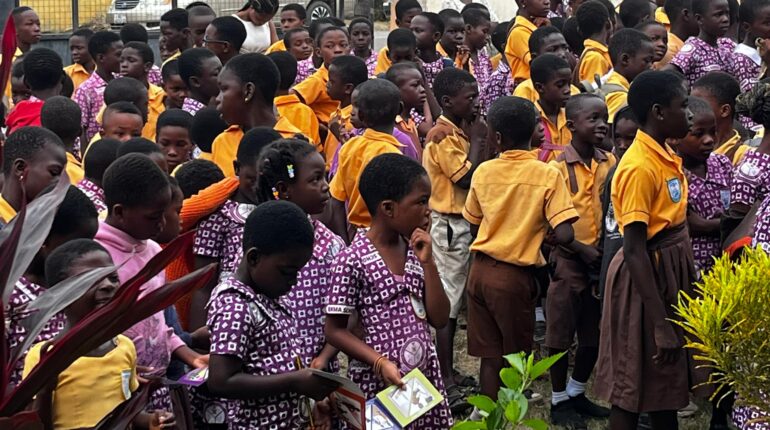
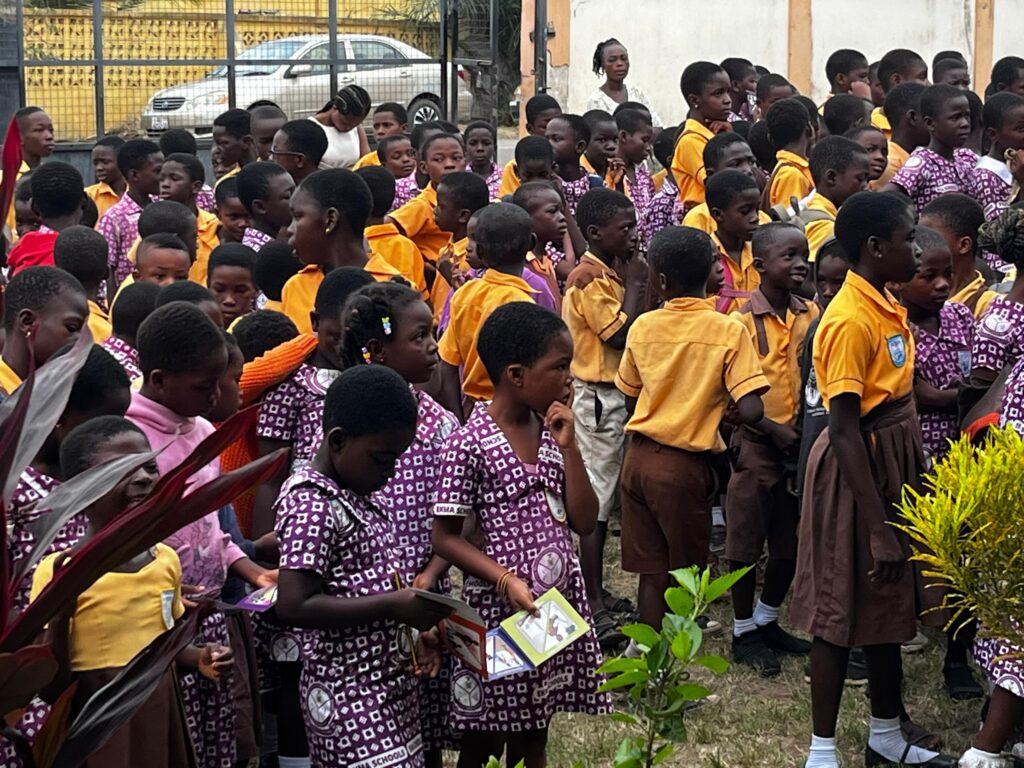
On Wednesday, 4th February 2026, Human Rights and Development Services (HURDS) took this message to Anaji Key Primary School in the Effia-Kwesimintsim Municipal Assembly (EKMA) of the Western Region, engaging over 100 pupils in a Child Rights and Sexual Violence Sensitisation Programme.
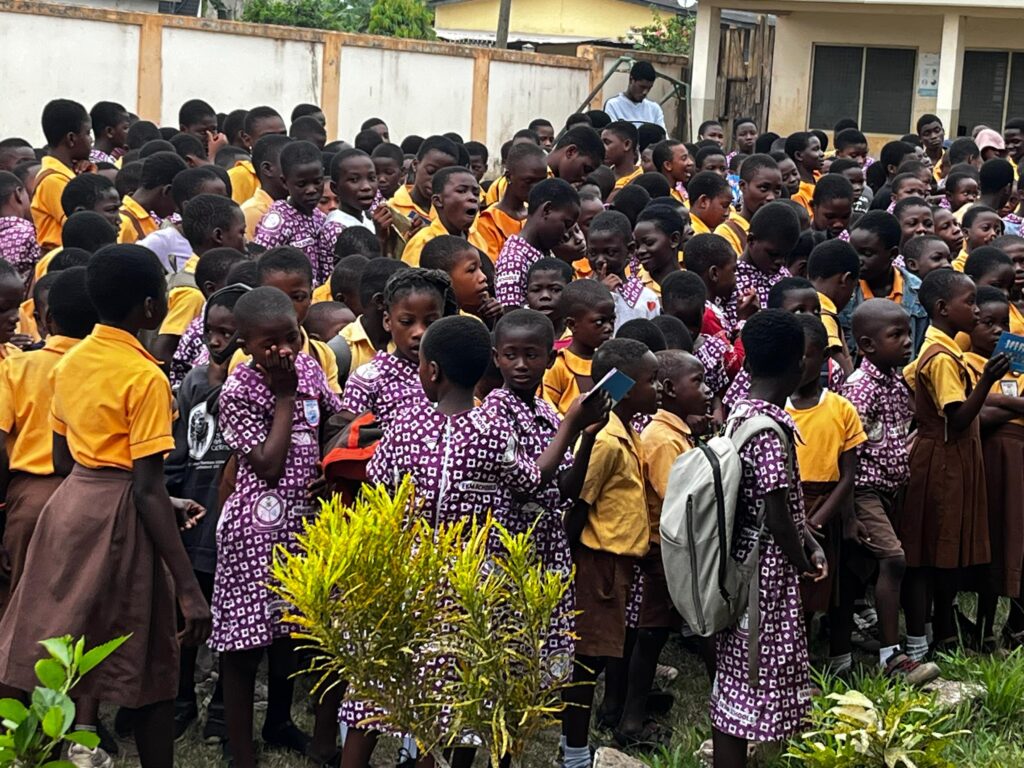
The programme, organised under the African Women Development Fund (AWDF) KASA Project in collaboration with the Community Development Office for EKMA and the Municipal Girl Child Coordinator, aimed to build pupils’ confidence, help them recognise sexual violence in its various forms including online sexual violence and encourage them to speak up and seek help when necessary.
The Community Development Officer for EKMA, Ms. Sadia Alimatu, began the engagement by helping pupils understand their fundamental rights, with emphasis on the right to education, the right to health, and the responsibilities of children.
“When children understand their rights and responsibilities, they are better empowered to protect themselves and make informed decisions,” she explained.
A representative of HURDS’, Ms. Eugenia Dery, then led an interactive session on sexual violence, addressing issues such as sexual harassment, defilement, and online sexual abuse. Using age-appropriate posters and practical examples, pupils were guided to identify unsafe situations and understand the importance of reporting abuse early.
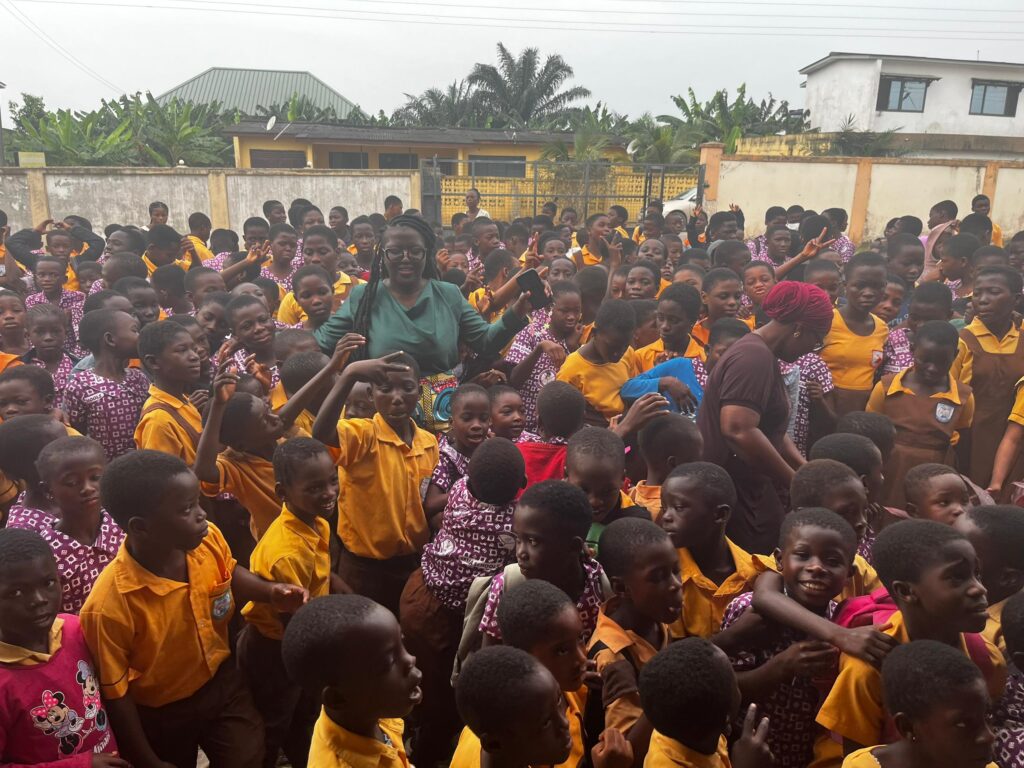
“Sexual violence continues to affect children in many spaces, including online. Through this sensitisation, we are helping pupils understand these risks and encouraging them to speak up and report any form of abuse they experience or witness,” Ms. Dery noted.
The Municipal Girl Child Coordinator, Ms. Hawa Salifu, concluded the session by reinforcing the importance of reporting abuse promptly to trusted adults.
“Speaking up early to teachers, parents, or trusted adults is key to protecting children and preventing further harm,” she stressed.
Beyond the classroom, the sensitisation is expected to contribute to safer learning environments where children feel confident to assert their rights, report abuse without fear, and seek protection when faced with sexual violence, both offline and online