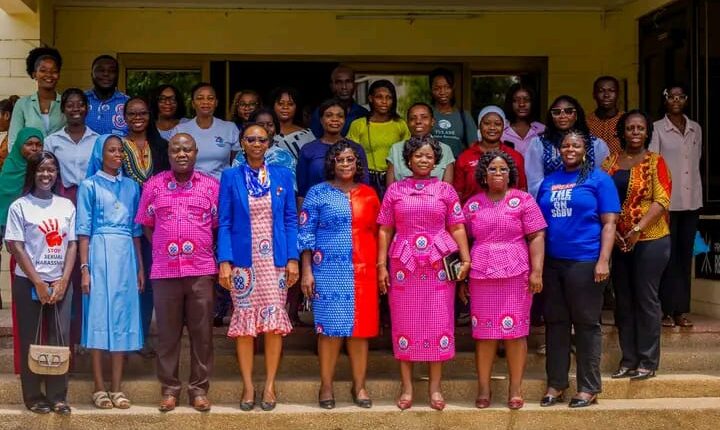
Human Rights and Development Services (HURDS), in collaboration with the Gender Mainstreaming Directorate of the University of Education, Winneba (UEW), has taken a bold step in confronting Sexual and Gender-Based Violence (SGBV) and its mental health impact through a powerful campus dialogue.
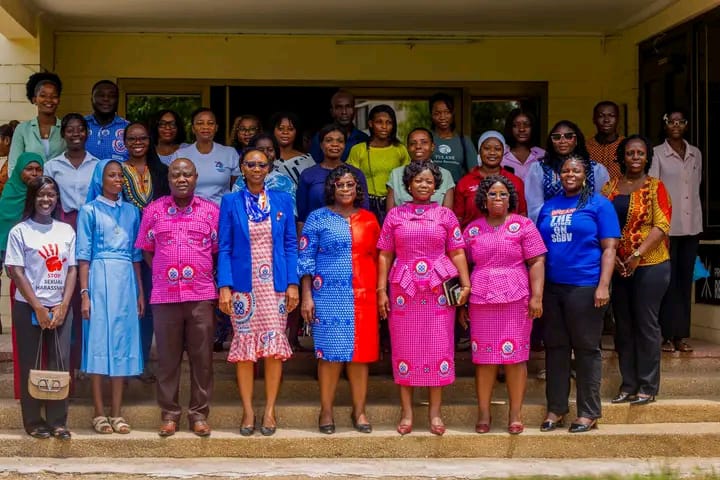
Held at the North Campus Mini-Conference Room on Friday, February 27, 2026, the engagement brought together students, faculty, gender advocates and municipal stakeholders, all united by a shared goal to break the silence surrounding abuse and strengthen support systems for survivors.
From the onset, the tone of the dialogue was clear: this was not just another event, but a call to action.
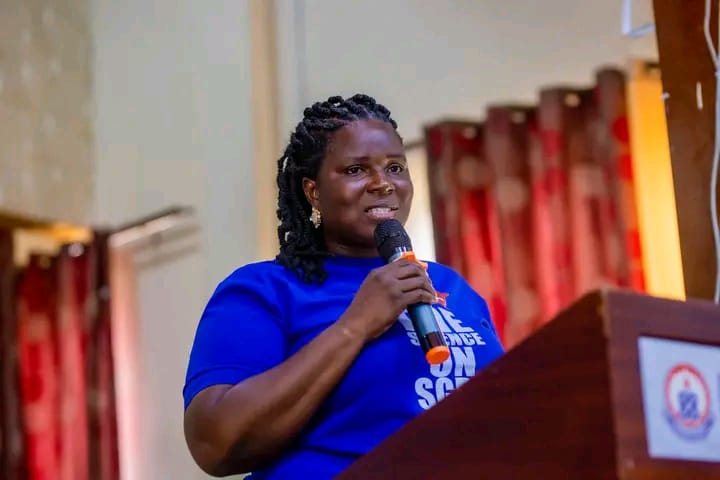
Executive Director of HURDS, Madam Eva Ankrah, set the stage by emphasizing that the session was designed as a conversation, not a lecture. She challenged participants to imagine a society where women and girls have equal power to make decisions about their lives, stressing that SGBV is not only a violation of human rights but also a serious public health concern.
Referencing global statistics that indicate that one in three women experiences violence, she underscored the urgency of sustained advocacy and collective responsibility in addressing the issue.
The Director of the Gender Mainstreaming Directorate at UEW, Ms. Patricia Kaitoo, described the collaboration with HURDS as a reflection of the university’s commitment to creating a safe, respectful and inclusive learning environment. She noted that institutions like UEW have a duty to not only educate but also protect, urging students to become ambassadors of change in their classrooms, hostels and social spaces.
As the dialogue deepened, attention shifted to the realities on the ground.
Nana Araba Ennin, Gender Desk Officer for the Effutu Municipal Assembly, highlighted the risk factors that continue to expose young people especially women to sexual violence. She pointed to abuse of authority, economic vulnerability, limited awareness and weak reporting systems as key drivers. According to her, fear, stigma and financial dependence often silence victims, even as the law provides clear protections under Ghana’s legal framework.
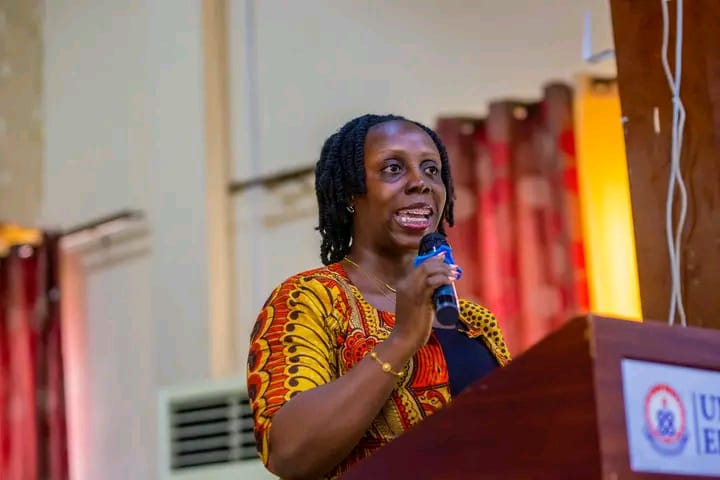
She further shed light on the far-reaching consequences of abuse, from trauma and anxiety to teenage pregnancy and declining academic performance, urging survivors to seek help through institutions such as DOVVSU and the Department of Social Welfare.
Bringing the conversation closer to the individual experience, Dr. Alfred Anovunga, a Counselling Psychologist at UEW, addressed the mental health dimensions of SGBV. He explained that silence is often rooted in fear fear of retaliation, of stigma, and of not being believed.
He reminded participants that mental health challenges are real and valid, encouraging survivors to seek support without shame. With reassurance, he emphasized that healing is possible when individuals are given the right support systems and safe spaces to speak.
The voice of students also rang strong during the dialogue.
Representing the student body, Adepa Priscilla Appiah, Women’s Commissioner of the Communication and Media Studies Students’ Association, delivered a message of solidarity, reminding survivors that they are not alone.
“Let us break the silence together until violence ends and justice prevails,” she urged.
The dialogue ended not in silence, but in renewed commitment.
Through this collaboration, HURDS continues to demonstrate its dedication to not only raising awareness but also building partnerships that strengthen prevention, reporting and survivor support systems.
Because ending sexual and gender-based violence requires more than conversation it demands action, courage and a collective refusal to remain silent.